Guide
Personalised Nike, adidas and Puma boots
Lots of players dream of boots with their own number and name, just like the pros. With decals you can do it on the boots you already own, whatever the brand. What matters isn't the boot itself but the surface the decal goes on. Here's how it works on the most common models.
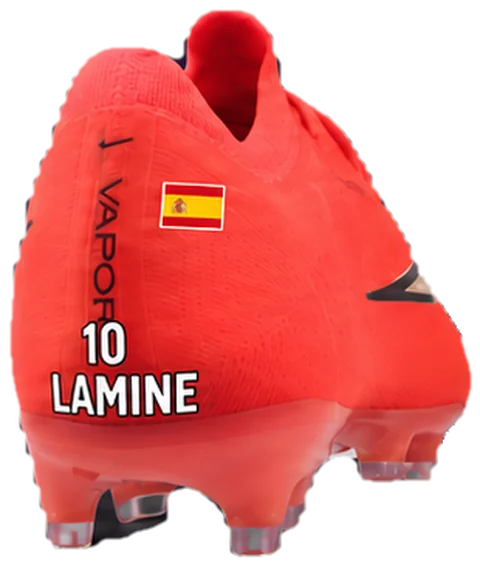
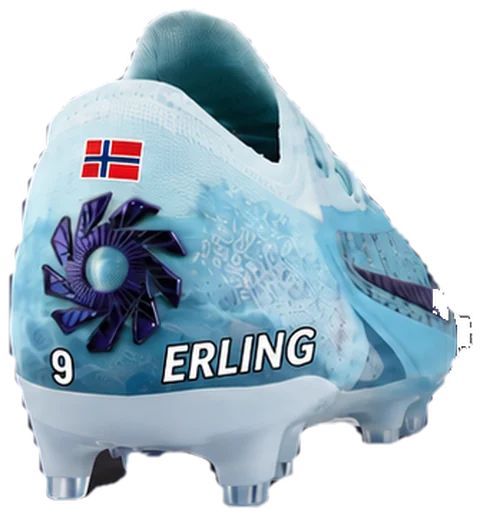
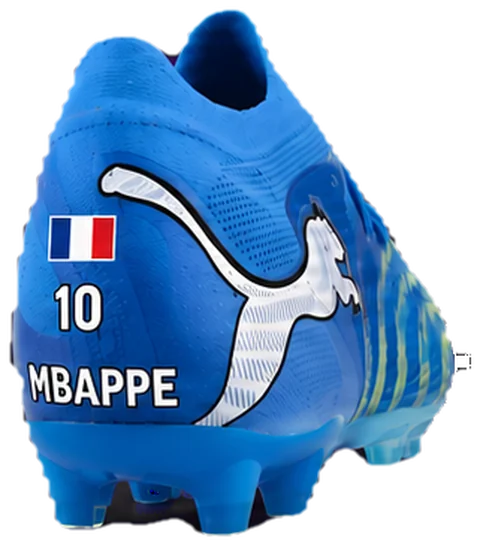
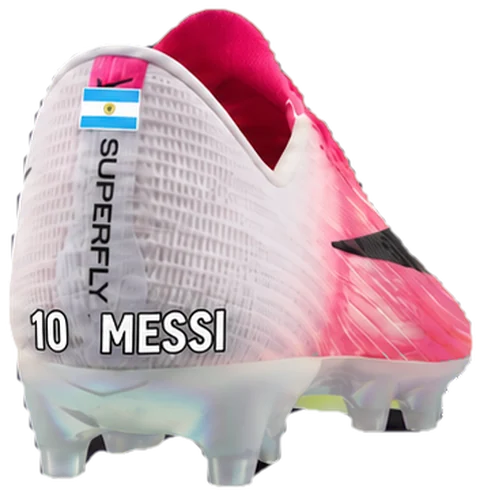
The rule of thumb: smooth, clean and still
Decals stick best to a smooth, clean, dry surface that doesn't crease when the foot bends. On almost every football boot that means the heel counter and the outer side towards the heel. The toe box flexes and hits the ball all the time, and knitted or textured surfaces give the glue less to grip. Cheaper versions of the same model often have a smoother synthetic surface than the top models, which makes them especially easy to personalise.
Nike Mercurial (Vapor and Superfly)
Nike's fastest boots, with a thin, smooth upper on most versions. The entry-level models (Club and Academy) have a smooth synthetic surface that decals stick to well. The top models often have a thinner, knitted or textured surface: go for the heel counter, which is almost always smooth.
Best spot: The heel counter and the outer side towards the heel
Nike Phantom
Built for ball control, often with a textured grip zone on the front of the boot. Don't put decals there: they stick less well to patterned surfaces and take a lot of contact with the ball. The back of the boot is smoother.
Best spot: The heel and the back of the inner side
adidas F50
A light speed boot with a thin, smooth synthetic upper. That makes the F50 one of the easiest boots to put decals on, both a number on the heel and initials on the outer side.
Best spot: The heel, the outer side and the tongue
adidas Predator
Known for rubber grip zones on the upper. Those areas aren't smooth, so the decals belong on the smooth parts around the heel and on the side behind the grip zones.
Best spot: The heel counter and the back of the outer side
adidas Copa
A classic boot with a soft upper, often leather or leather-like synthetic. Leather works well as long as the surface is clean and dry, so wipe it with a little alcohol first.
Best spot: The heel and the outer side
Puma Future and Puma Ultra
The Future often has a knitted, stretchy upper that gives a lot, and decals don't stick as well there. The Ultra is a speed boot with a thinner, smoother surface. On both, the heel is the safest spot.
Best spot: The heel counter
Mizuno Morelia
A classic with a soft leather upper. Leather is a good surface for decals as long as it's clean and dry. Avoid freshly treated boots: leather balm stops the glue from bonding, so wipe them down well first.
Best spot: The heel and the outer side
New Balance Furon and Tekela
The Furon is a speed boot with a thin synthetic upper, while the Tekela has a softer and sometimes knitted surface. The Furon is the easier one to personalise; on the Tekela, the heel is the safest spot.
Best spot: The heel counter and the back of the outer side
New boots? Wait one session
Brand-new boots sometimes have a thin film left from manufacturing. Wear them for one session, wipe the surface with a little alcohol and let it dry before applying the decal. Then give the decal 24 hours before the next match.
Artificial grass, grass or indoors
The surface you play on matters less than where the decal sits on the boot. Artificial grass is tougher on boots in general, so there it's extra important to keep decals away from the toe and the sides that drag along the ground. Dry the boots at room temperature after wet matches, not on a radiator.
Numbers, A–Ö and flags on one sheet
Starter pack fits all the boots above. Two of each character, so both boots can have the same number.
Go to Starter packNike, Mercurial, Phantom, adidas, F50, Predator, Copa, Puma, Future, Ultra, Mizuno, Morelia, New Balance, Furon and Tekela are trademarks of their respective owners. EmVePe sells decals and has no affiliation with the manufacturers.